Drain Repairs vs Drain Relining: Which Solution is Right for Your Suffolk Home?
Dealing with blocked or damaged drains can be a major hassle for homeowners across Ipswich and the wider Suffolk area. When faced with such issues, choosing the right repair method is essential to avoid costly and repeated problems.
This guide explores the two main solutions available: traditional excavation repairs and modern no-dig drain relining. Understanding their differences, benefits, and drawbacks will help you decide the best approach for your property’s drainage needs.
Understanding Traditional Drain Repairs
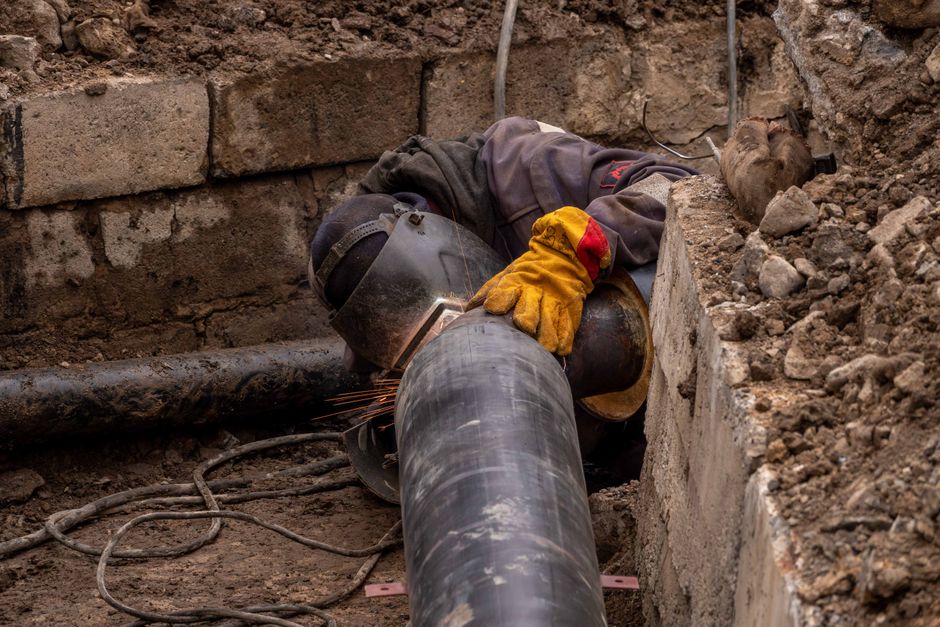
Traditional drain repairs involve excavating the area around the damaged pipe to access and replace or fix the affected section. This method has been used for decades and remains a widely recognised way to address serious drainage issues.
For properties in Ipswich and surrounding towns such as Woodbridge or Kesgrave, this approach often means digging up gardens, driveways, or pathways to reach the pipework. While this can be disruptive and time-consuming, it allows for a full inspection and replacement of damaged sections.
This method is particularly beneficial when pipes are severely broken, collapsed, or have multiple failure points. It allows drainage specialists to identify underlying issues such as root intrusion or structural damage that may not be obvious from surface inspections.
What is Drain Relining?
Drain relining is a modern ‘no-dig’ technique designed to repair damaged pipes without the need for extensive excavation. It involves inserting a resin-coated liner into the existing pipe, which is then cured to form a new, jointless pipe within the old one.
This is an ideal solution for smaller cracks, holes, or fractured pipes that still retain some structural integrity. By avoiding excavation, relining minimises disruption to your property, which is a significant advantage for homeowners in densely built areas of Ipswich or those with landscaped gardens in Capel St Mary or Felixstowe.
The process is quicker than traditional repairs and often less costly, depending on the extent of the damage. Additionally, the relined pipe is smooth inside, which can improve water flow and reduce the risk of further blockages.
Pros and Cons of Traditional Excavation Repairs
One major advantage of traditional repairs is the ability to completely replace damaged pipes, ensuring a long-term fix for severe or complex drainage issues. It also allows for the removal of debris, roots, or collapsed sections that could cause recurring problems.
However, the downsides include the disruption caused by digging, which may require repairing landscaping, driveways, or patios afterwards. In areas like Hadleigh or Stowmarket where garden space might be limited, this can be a significant inconvenience.
The cost and timescale can also be higher compared to relining, especially if pipes are located beneath hard surfaces or close to buildings. Despite these challenges, excavation remains necessary when pipes are badly damaged or the drainage layout requires modification.
Advantages and Limitations of Drain Relining
Drain relining offers minimal disturbance and quicker completion times, making it an attractive option for many homeowners across Suffolk. Since it doesn’t involve digging, it’s particularly suitable for properties with limited access or delicate landscaping.
It also provides a durable, corrosion-resistant lining that can extend the life of your pipes by several decades. This can be beneficial in towns like Martlesham or Needham Market, where older drainage systems might be showing their age.
On the downside, relining isn’t suitable for pipes that are severely collapsed or offset, as the liner needs an intact pipe to adhere to. Furthermore, it may not address underlying structural issues such as root ingress or shifts in soil that caused the damage initially.
Because of these limitations, a thorough CCTV drain survey is essential before deciding if relining is appropriate for your Suffolk property.
How to Decide Which Option Suits Your Drain Problem
Choosing between traditional drain repair and relining depends on several factors including the severity of damage, location of pipes, and your property’s layout. A detailed inspection, often involving CCTV surveying, will provide vital information about the condition of the pipework.
If the drain has minor cracks or leaks but remains structurally sound, relining can be a cost-effective, less disruptive solution. This is especially true for homes in Ipswich or nearby towns like Bramford and Claydon, where digging can be challenging due to narrow access or built-up areas.
However, if the drain has collapsed sections, major blockages caused by roots, or extensive damage, traditional excavation may be the only reliable fix. This method also allows engineers to remove blockages or debris during repairs, ensuring the drainage system is fully restored.
Ultimately, consulting a qualified drainage professional in Suffolk to assess your situation will help determine the most suitable approach tailored to your home’s needs and budget.
Considering Local Factors in Suffolk Drainage Repairs
The soil type and ground conditions around Ipswich and Suffolk can impact drainage repairs. Suffolk’s clay and sandy soils may cause pipes to shift or settle over time, affecting drainage integrity.
Properties in towns such as Felixstowe or Capel St Mary close to coastal or flood-prone areas also need drainage solutions that withstand moisture and pressure fluctuations.
Additionally, older properties common in Needham Market or Hadleigh may have ageing clay or cast iron pipes that require specialised repair methods. Understanding local conditions helps drainage professionals recommend the best option to prolong the life of your system.
Maintaining Your Drainage System After Repairs
After completing either relining or excavation repair, regular maintenance is crucial to prevent future problems. Ipswich homeowners should schedule routine inspections, especially if their property is surrounded by trees or older pipework that may be prone to root intrusion.
Avoiding the disposal of grease, wipes, and foreign objects down drains can significantly reduce blockages. Keeping surface water drains clear during Suffolk’s wetter months also helps protect your drainage system from overload.
Promptly addressing minor issues before they escalate will save time and money in the long run, ensuring your Ipswich or Suffolk home remains free from drainage disruption.
Need a drainage expert in Ipswich?
Call 0800 669 6492